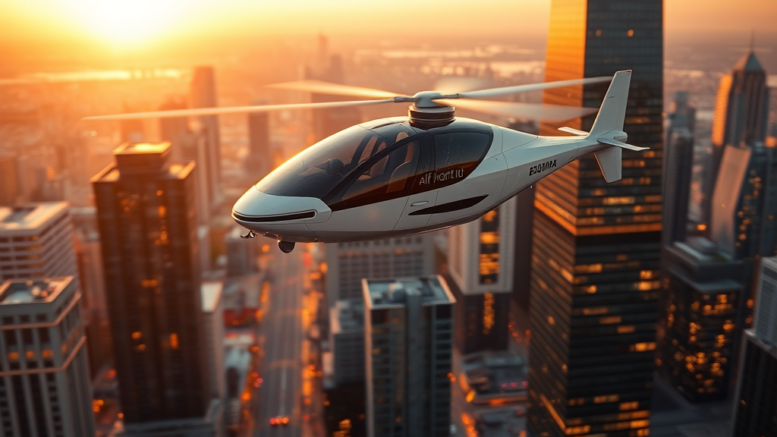
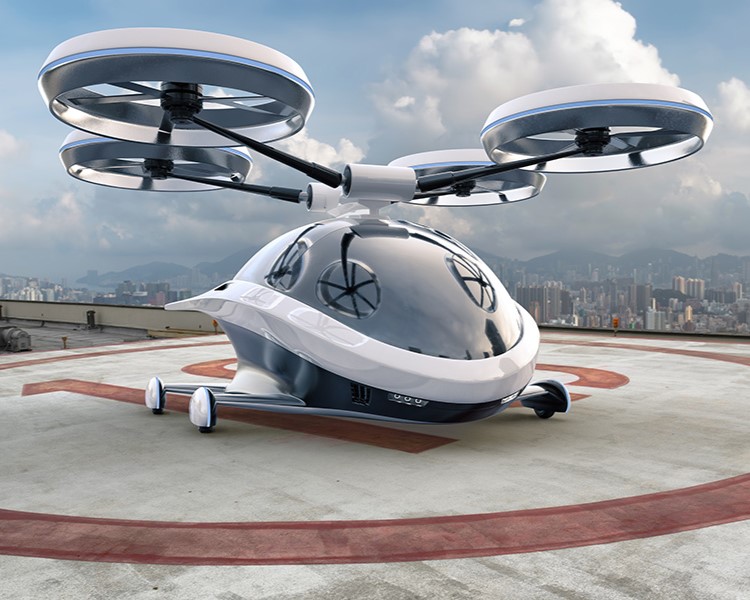
Electric VTOL air taxis are no longer futuristic concepts — they are approaching real commercial deployment. Several prototypes have already logged thousands of test flight kilometers, demonstrating stable hover, smooth transition to forward flight, and quiet landings.
Most air taxi designs aim to carry 3–5 passengers plus a pilot, with projected cruising speeds of around 240–320 km/h. That means a trip that normally takes 90 minutes by car could be shortened to roughly 15–20 minutes by air.
Noise reduction has been a major engineering focus. Many developers claim their aircraft sound levels during cruise are up to 70% lower than helicopters, making them more suitable for urban environment.

Pricing models suggest early rides may cost about the same as premium ride-hailing services, but as fleets expand, per-passenger costs could drop significantly. Analysts predict the urban air mobility market could surpass $1 trillion in value by 2040, driven by congestion in megacities.
If infrastructure such as rooftop vertiports expands over the next decade, commuters may soon look upward — not outward — for faster travel.
Be the first to comment on "Electric Air Taxis Edge Closer to Commercial Reality"